Blue Cloth: A Playful Serif for Creative Projects
More Than Just a Pretty Typeface
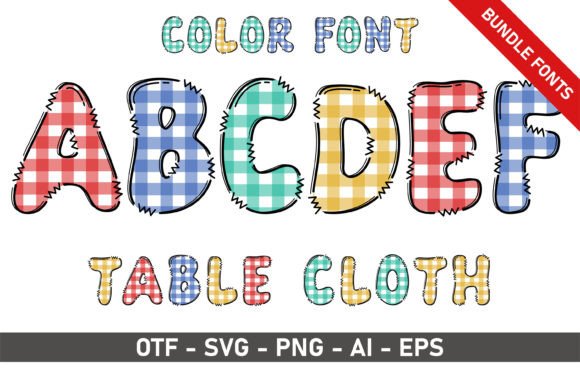
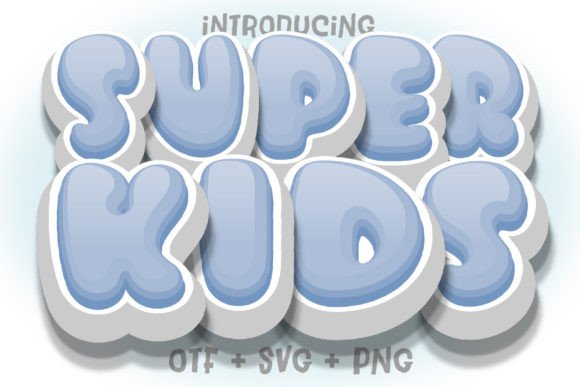
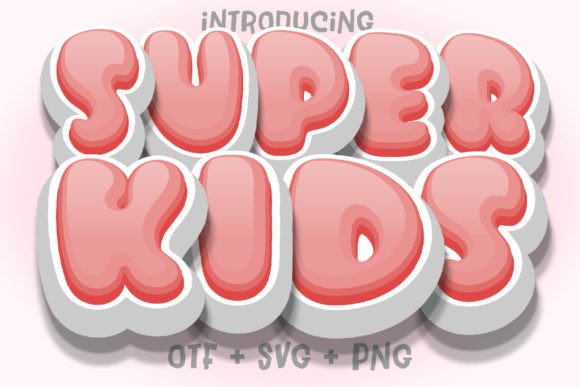
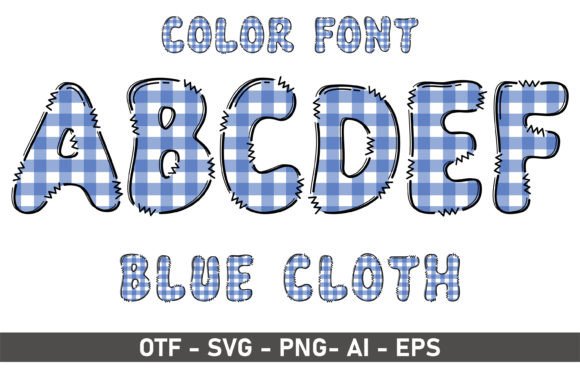
When you first see Blue Cloth, you immediately get a sense of its personality. It’s not trying to be a quiet, corporate workhorse. Instead, this premium font leans into a charming, handcrafted aesthetic that feels both approachable and artistic. Think of it as a serif font that decided to have some fun. The letterforms have a distinct, textured quality—almost like they were drawn with a confident hand, giving them a unique character that stands out from the crowd of clean, geometric sans-serifs.
This isn't a font for writing long blocks of body text. Blue Cloth is a display font, designed to make an impact in headlines, logos, and short, impactful statements. Its visual style bridges the gap between classic typography and modern, whimsical illustration. You’ll notice subtle irregularities and a slight bounce in the baseline, which injects energy and a human touch into any design. It’s the kind of creative font that can instantly set a tone, whether you’re aiming for rustic charm, artistic flair, or a playful, youthful vibe.
Where Blue Cloth Truly Shines
Understanding where a font excels is key to using it effectively. Blue Cloth’s strength lies in projects that demand personality and visual interest. It’s a natural fit for the world of packaging design, especially for artisanal goods, boutique brands, or products targeting a family-oriented market. Imagine it on a label for organic jam, a craft brewery’s seasonal ale, or a children’s snack brand—it adds that crucial layer of authenticity and warmth.
For brand identity, this typeface is a powerful tool for businesses that want to avoid sounding sterile. A boutique bakery, a independent bookshop, a handmade ceramics studio, or a local event planner could use Blue Cloth to build a brand that feels personal and inviting. In logo design, it works beautifully as the primary wordmark or as a complementary element in a lockup, especially when paired with a simple sans serif font for supporting text.
The applications extend far beyond commercial branding:
- Editorial & Publishing: Perfect for chapter titles in children’s books, magazine feature headlines, or stylized pull quotes. Its readability at larger sizes makes it ideal for these contexts.
- Marketing & Social Media: Create eye-catching social media graphics, promotional posters, and invitation designs. It’s particularly effective for announcements, sales, and event promotions where you need to grab attention quickly.
- Crafting & DIY: As noted, the black version is compatible with cutting machines like Cricut, making it a fantastic design asset for hobbyists creating custom decals, greeting cards, scrapbooking elements, and personalized gifts.
Practical Guidance for Designers and Creators
Choosing the right font is a strategic decision. Before committing to Blue Cloth, evaluate your project’s goals. Is the primary aim to convey whimsy, creativity, and a handcrafted feel? If your project requires a strict, minimalist, or highly technical tone, another typeface might be a better fit. Always test it in context. Mock up a logo, a social media post, or a product label to see how its personality aligns with your brand message.
Font pairing is where the magic happens. Blue Cloth’s distinctive character means it pairs best with fonts that provide balance. A clean, geometric sans serif font for body text (like Montserrat or Lato) creates a pleasing contrast, letting Blue Cloth command attention in the headline. For a more cohesive, rustic feel, you could pair it with a simple handwritten font or a script font with a similar organic quality, but use this combination sparingly to avoid visual clutter.
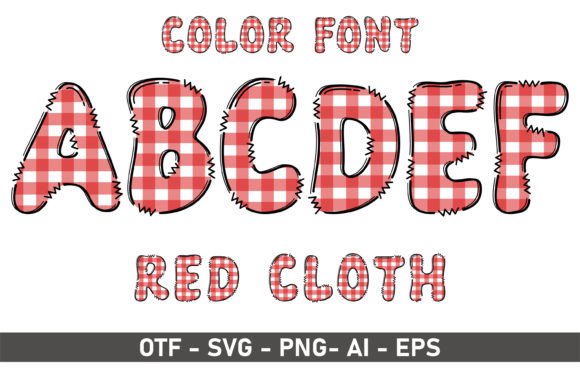
Pay close attention to the files included. The package offers both OTF and TTF formats. Remember the critical distinction for crafters: the black version works with Cricut Design Space, while the color version (with its layered, textured effect) is only compatible with advanced design software like Adobe Photoshop, Illustrator, Silhouette Studio, or Inkscape. This is a crucial detail for ensuring your workflow is smooth. Always check the licensing for commercial use if you’re creating products for sale, which is typically included with a commercial font purchase.
Finally, consider readability. While Blue Cloth is highly legible at display sizes, it’s not optimized for small, dense paragraphs. Use it for its intended purpose: large, impactful headings where its artistic flair can be appreciated without hindering comprehension. By thoughtfully integrating this typeface into your toolkit, you can add a memorable, human-centered touch to a wide array of creative projects, strengthening your visual hierarchy and making your brand or design feel more engaging and distinctive.